

A Practical Plan for How to Budget for Pokies Night
Bright lights and celebratory sounds turn even small wins into dopamine-triggering events, which is exactly why a pokies night needs a hard spending limit before the first spin. I’ve built revenue plans for retail brands and retention programmes for subscription apps, and the discipline is identical: set a ceiling, track every dollar, and never let a winning streak rewrite the rule. Australia restricted gambling ads during live sport before certain evening hours to protect children, and the same caution applies at home. If you’re heading out in Cairns for an arvo session, treat your bankroll like a marketing budget with a fixed CPA – you decide the cost, not the machine. A clear plan for how to budget for pokies night keeps the night social and the losses contained.
Set a Session Cap Before You Leave the House

Start with a number you can afford to lose entirely, then split it into smaller chunks so you can see the burn rate in real time. I once ran a retention dashboard for a subscription service where we capped daily acquisition spend and reallocated only after the data came in; the same logic works here. Decide your total, divide it by the hours you expect to play, and treat that hourly figure as your true cost of entertainment. If you’re meeting friends near Cairns, factor in transport and a meal so the gambling line item stays separate from the rest of the evening. Multi bets on multiple footy games are heavily promoted, but spreading your cash across too many outcomes is the fastest way to blow a cap without noticing. Write the limit down, load only that amount onto a card or cash, and leave the rest at home. When the hourly chunk is gone, call it a night rather than feeding the next pile from another part of your budget.
Track Every Spin Like a Revenue Dashboard
The difference between a fun night and a costly one is usually just a running tally. I’ve managed high-performing teams where we reviewed live metrics every hour and cut spend the moment a channel underperformed; you can do the same with a notebook or a phone note. Record your starting amount, the buy-in for each machine, and the point where you walk away, so you’re comparing reality against the plan instead of relying on memory. Bright lights and celebratory sounds turn even small wins into dopamine-triggering events, which makes it easy to forget that a few coins back rarely covers the spin count behind them. If you want to keep the maths honest, use a simple table like this to compare your planned burn against what actually happens.
| Item | Planned | Actual |
|---|---|---|
| Total session cap | $120 | $120 |
| Hourly spend limit | $30 | $35 |
| Walk-away point | $40 remaining | $20 remaining |
| Non-gambling costs | $35 | $35 |
The numbers don’t need to be perfect, just consistent enough to show whether your pace matches the plan. If the actual column keeps drifting above the planned one, that’s your signal to slow down or stop, not to chase the gap. Treat the session like a short campaign with a fixed budget, and you’ll know exactly where the money went.
Treating your tracking sheet as a steady checkpoint rather than a scoreboard keeps the process sustainable over the long haul. For a deeper look at how disciplined pacing protects your margins, visit jackpot jill elite login. Set a firm review window and let the data dictate your next move without emotional interference.
Use the Same Discipline You’d Apply to a Customer Retention Plan
A pokies night works best when you decide the exit conditions before the first pull, the same way a retention programme sets churn thresholds before launching a new feature. I’ve seen campaigns blow past their targets because the team kept optimising for short-term lifts instead of the overall return; the fix is always a pre-agreed stop rule. Pick a loss limit, a time limit, and a small win target that, if hit, still sends you out the door with most of the budget intact. If you’re playing online after the venue closes, a responsible entry point like jackpot jill elite login still requires the same discipline – a login is not a budget strategy, and the screen doesn’t change the maths. The goal is to keep the night enjoyable and the spend predictable, so you can come back another time without having to rebuild from a bad session. That’s the kind of repeatable habit that turns a one-off outing into a controlled pastime rather than a surprise hit to the household finances.
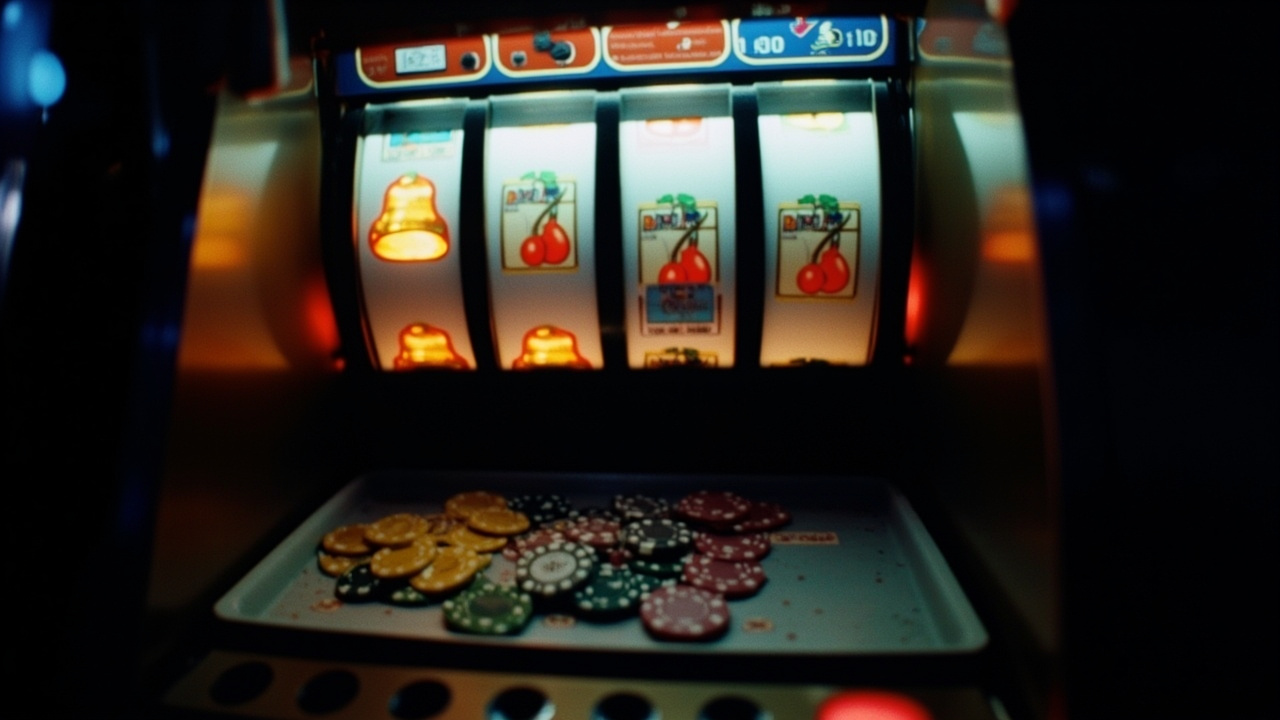
A solid budget for pokies night is really just a spending plan with a clear stop rule, a running tally, and a willingness to leave while you’re still ahead of your own limit. Set the cap, track the burn, and treat every session like a short campaign with a fixed cost. If you do that, the night stays social, the losses stay contained, and you can pick it up again another arvo without wondering where the money went.
