

Mastering the art of bluffing: Tips for poker enthusiasts
Understanding the Psychology of Bluffing
Bluffing is an intricate mix of psychology and strategy that requires keen observation and emotional intelligence. The ability to read your opponents is crucial; understanding when they are eager to fold and when they are itching to call your bet can give you the upper hand. Successful bluffers are often adept at picking up on subtle cues, such as body language and facial expressions, as these indicators can reveal a player’s true intentions. Additionally, many players explore options like $10 neosurf deposit casino to enhance their gaming experience. This insight enables you to time your bluffs effectively, ensuring they are executed when your opponents are most susceptible.
Moreover, the psychological aspect of bluffing extends beyond mere observation. It requires a degree of confidence and the ability to maintain composure under pressure. If your demeanor suggests uncertainty or nervousness, your opponents are likely to detect it and capitalize on your perceived weakness. The art of bluffing is, therefore, about crafting a believable story through your behavior and betting patterns. Each action must reinforce the narrative you want to portray, convincing your opponents to believe that you hold a stronger hand than you really do.
Additionally, successful bluffing often involves strategic risk-taking. It’s essential to weigh the potential outcomes against the risks involved in bluffing at any given moment. A well-timed bluff can lead to substantial wins, but it can also result in significant losses if read correctly by your opponents. Therefore, mastering the art of bluffing requires a fine balance between risk management and psychological manipulation, allowing you to navigate the complexities of the game with confidence and skill.
Choosing the Right Moments to Bluff
In poker, timing is everything, particularly when it comes to bluffing. Knowing when to unleash a bluff can significantly impact your game strategy. Key moments often arise when the board presents opportunities that may lead your opponents to question their hands. For example, if the community cards show a potential flush or straight, an aggressive bet could convince others that you have a strong hand, even if you don’t. This manipulation of perceived strength plays a crucial role in successful bluffing.
Moreover, it’s vital to consider the style and tendencies of your opponents. Selecting the right moment often hinges on understanding the type of players at your table. If you’re up against cautious players who are likely to fold at the first hint of aggression, your chances of successfully bluffing increase. Conversely, if your opponents are aggressive and inclined to call bets with weaker hands, you must approach bluffing with caution. Analyzing the table dynamics and adjusting your bluffing strategy accordingly can maximize your chances of success.
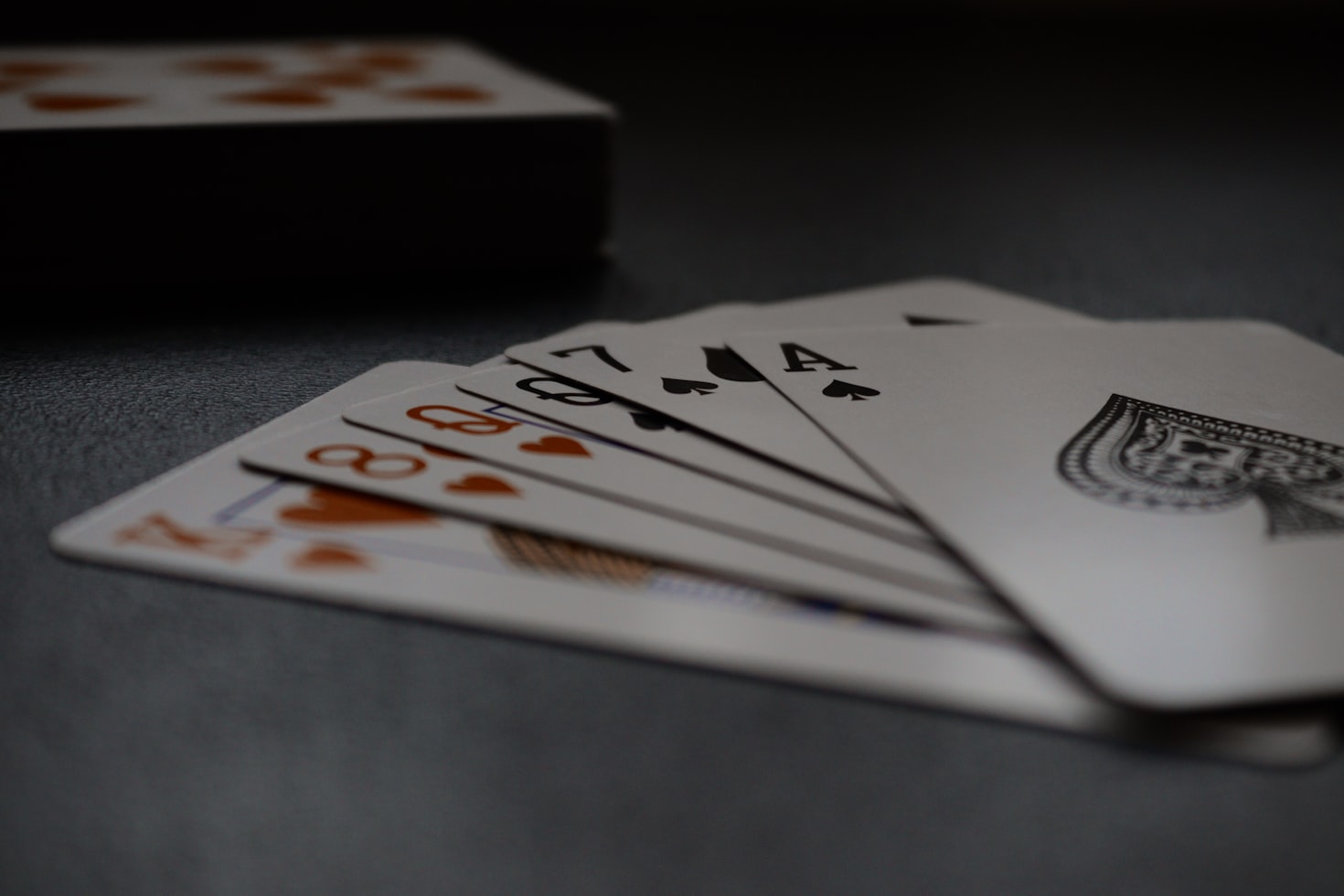
In addition, consider the stakes of the game. Bluffing in a high-stakes environment might evoke different reactions compared to a casual game with friends. In higher-stakes situations, players tend to be more risk-averse, which can create favorable conditions for a well-timed bluff. However, this also means you must be aware that your opponents are more experienced, potentially making them harder to bluff. Ultimately, the key to mastering the timing of your bluffs is to remain observant and adaptable, tailoring your approach to each unique table context.
Building a Credible Story
The essence of a successful bluff lies in constructing a believable narrative. To convince your opponents that you hold a better hand, your betting patterns, body language, and overall behavior must align seamlessly with this story. A fundamental aspect of storytelling in poker is consistency; if your actions appear disjointed or erratic, opponents will more likely see through your bluff. Establishing a pattern in your previous betting can create a foundation for your bluff, making it sound credible and thought-out.
Another critical element is understanding how opponents perceive risk. For instance, if you have been playing passively throughout the game and suddenly introduce an aggressive bluff, it raises red flags. Maintaining a consistent approach to your gameplay helps build credibility; if your prior bets align with your bluff, opponents are more likely to fall prey to your deception. Additionally, leveraging the community cards effectively can bolster your narrative, making it all the more convincing that you could realistically be holding a winning hand.
Finally, integrating bluffing into a broader strategy can enhance the effectiveness of your poker game. This means not frequently relying on bluffing as your only tactic. Instead, blend bluffs in with solid, strong hands to create an air of unpredictability. A varied strategy keeps opponents guessing, making it significantly harder for them to decipher your true intentions. By mastering the art of storytelling through your gameplay, you can cultivate a reputation that keeps your opponents off-balance, ultimately enhancing your bluffing success.
Adjusting Your Bluffing Strategy
Flexibility in your bluffing strategy is paramount. As you progress through a game or a series of games, the dynamics of play can shift dramatically based on various factors, including player behavior and chip stacks. Being adaptable allows you to respond effectively to these changes, utilizing your bluffing tactics to maintain an edge. For instance, if you notice that your table is filled with cautious players, you might increase your bluff frequency. Conversely, if you’re up against aggressive opponents who rarely fold, dialing back your bluffs can save you chips.

In addition, consider the importance of your table image when adjusting your bluffing strategy. If you have cultivated a tight image, players will be more inclined to give you credit when you make a bold bet. On the other hand, if you’ve been caught bluffing recently, opponents may be more skeptical of your future bets. In this regard, you must assess your own reputation as well as that of your opponents continually. A consistent evaluation of how your behavior influences others can inform when to bluff and when to back down.
Finally, the situation can dictate your approach to bluffing. Factors such as stack sizes, tournament stages, and the overall aggression of your opponents can heavily influence your strategy. For example, in a tournament setting, taking risks earlier might provide dividends if you can accumulate chips quickly, while a more conservative approach might be necessary as the bubble approaches. Therefore, to master the art of bluffing, one must embrace an evolving strategy—adapting techniques depending on the climatic factors of any given game.
Enhancing Your Skills Through Practice
No amount of theory can replace the experience gained through practice when it comes to bluffing. Engaging in various forms of poker, be it online platforms or live games, allows you to test different bluffing strategies in real scenarios. An invaluable aspect of practice is the chance to hone your observational skills. The more players you face, the more adept you become at recognizing patterns in behavior and reactions, thereby enriching your bluffing arsenal. Each session offers opportunities to learn what works and what doesn’t.
Moreover, playing regularly facilitates the development of your personal style. Each player has a distinct approach to bluffing, influenced by their personality and preferences. Experimenting with different styles, whether you prefer subtlety or overt aggression, can help you identify what resonates with your gameplay. This experimentation is vital; blending various tactics into your overall strategy can yield unique advantages that set you apart from your opponents. The continuous refinement of your skills will inevitably enhance your efficacy at the table.
Lastly, reviewing your gameplay is a critical aspect of mastering bluffing. After each session, take the time to reflect on your decisions—especially the bluffs that succeeded or failed. Analyzing the context of each bluff, the reactions of your opponents, and the overall table dynamics will provide crucial insights into improving your strategy. Whether through self-reflection or discussing hands with fellow players, this constructive approach to reviewing your game can translate into significant gains in your future bluffing endeavors.
