Reading the Form Guide: A Practical Guide to Horse Racing Bet Types Australia
Horse racing bet types Australia has always been a bit like reading a form guide in a gale – half the numbers are pointing one way and the other half are busy looking for a drink. Still, if you can tell a quinella from a dead heat, you’ll at least know which wager matches the day’s mood. This isn’t about chasing a miracle; it’s about picking the right tool for the track, the horse, and the bankroll you’re actually prepared to lose by arvo.
Straight Bets and the Quiet Confidence of Win, Place, and Each-Way
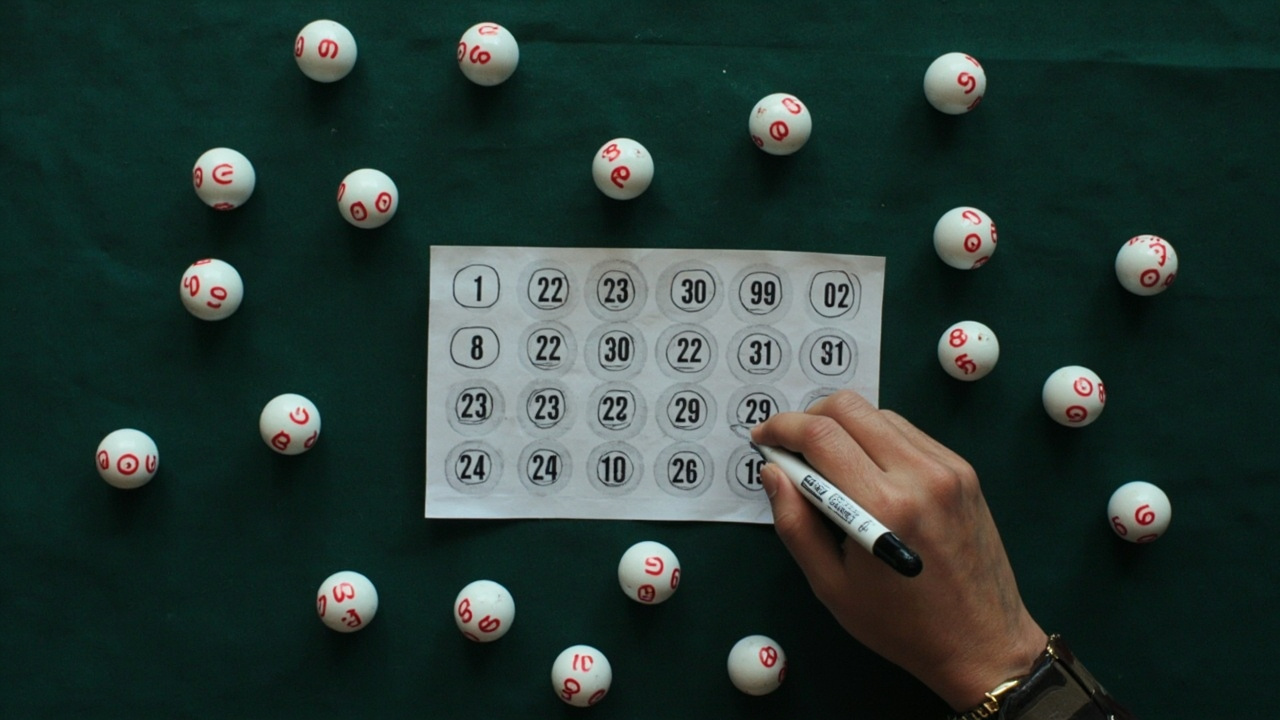
There’s a reason the old-school punters still lean on win, place, and each-way. They’re the plain linen shirts of the betting rack – not flashy, but they survive a wash cycle. A win bet is the blunt instrument: you back a horse to finish first, and if it does, you collect. Place pays a slice of the pie when your selection finishes in the money, usually first two, three, or four depending on field size and the track’s rules on the day. Each-way splits your stake, so you’re effectively laying down two bets – one for the win and one for the place – which softens the blow when a favourite drifts home fifth but still bags a dividend.
The trade-off is simple: the safer the payout, the smaller the return. A place bet can keep you in the game when the track turns sticky and the form goes out the window, but it won’t buy you a round at the pub unless you’ve stacked the odds right. Win bets reward certainty, yet certainty in racing is a rare beast – even a $1.80 chance can find a fence and vanish. Each-way gives you a cushion, but you’re paying for that comfort with a split stake, so the maths only works when the place terms are decent and the price isn’t already slashed to a shadow. If you’re comparing how different operators lay out these markets, the way a site like legacy-of-dead-au.com structures its simple bet slip can tell you a lot about whether the interface is built for punters who want clarity or for people who enjoy hunting through menus.
| Bet type | How it works | When it suits |
|---|---|---|
| Win | Horse must finish first | Clear market, confident selection |
| Place | Horse must finish in the money | Larger fields, softer form, risk control |
| Each-way | Win + place stake combined | Higher-priced runners, cautious day |
| Exacta | First two in correct order | Small fields, strong pace scenario |
| Quinella | First two in either order | Uncertain top order, flexible finish |
| Trifecta | First three in correct order | Larger fields, confident pace read |
| First Four | First four in correct order | Big fields, high-variance day |
Exotics, Multiples, and the Art of Not Blowing the Whole Stack
Exotics are where the bet slip starts to look like a jukebox – more buttons, more combinations, and a higher chance you’ll tap the wrong tune. An exacta asks you to nail the first two in the right order, which is a fair bit harder than picking a winner and hoping for the best. A quinella removes the order requirement, so you just need the top two to cross the line in any arrangement, which suits days when the market can’t decide who’s actually leading the race. Step up to a trifecta and you’re forecasting the first three in sequence, a wager that can pay handsomely when the field is deep and the pace picture makes sense. A first four pushes the same logic further, and by the time you’re there, you’re pricing in enough variables to make a weather forecast look tidy.
Multiples stitch separate legs together, and that’s where the stakes climb faster than a gelding on a soft track. A doubles, trebles, or full cover accumulator can turn a modest outlay into a meaningful return, but every extra leg is another chance for one result to ruin the whole ticket. The sensible approach is to treat multiples like a backyard barbie – you don’t throw every snag on the grill at once just because the tongs are handy. Build them from legs you’d back anyway, keep the number of combinations realistic, and remember that a blocked ticket is just a ticket that didn’t land.
“I’m just putting a couple on the quinella, reckon the top two’ll mix it up,” said one mate, stirring sugar into a flat white at a Sydney café near Circular Quay.
“So you’re paying for two outcomes in one go,” the other replied. “That’s handy when the market’s all over the shop, but don’t expect it to pay for the round.”
“No worries, I’m not trying to buy the whole block,” came the reply. “Just enough to keep the day interesting.”
Matching the Market to the Day, the Track, and Your Own Sense
The right bet type depends less on what’s trending on the form guide and more on what the day actually looks like. A small field with a clear favourite often rewards a straight win or a tight exacta, because there’s less chaos to price in. A bigger field on a track that’s gone soft under the morning sun usually asks for more flexibility – place terms, quinellas, or a carefully built trifecta where you’ve done the pace work instead of just following the crowd. Local operators in Sydney tend to run their market boards with the usual Australian dollar pricing, a form guide that’s actually readable on a phone, and the kind of place terms you’d expect from a track that knows its own quirks.

What matters most is whether the interface lets you see the bet type, the place terms, and the price without clicking through three different panels just to place a ten-dollar wager. If the site’s menu reads like a tax form, you’ll spend more time navigating than thinking. If it’s laid out so you can compare a win, an each-way, and a quinella on the same runner without losing your thread, you’re more likely to make a decision that fits the day instead of the hype. Horse racing bet types Australia work best when the market is clear, the terms are visible, and you’re not trying to force a complex exotic onto a race that’s better left to a simple place bet.
Horse racing bet types Australia come down to this: pick the wager that matches the race, not the daydream. Straight bets keep you grounded, exotics reward a proper read of the form, and multiples are for people who understand the odds of stringing several good guesses together. If you know what you’re buying, you’ll at least leave the track with your sense intact. legacy-of-dead-au.com