

Understanding the Roulette Wheel Layout Explained

If you have ever watched a dealer spin a wheel and wondered why the numbers sit where they do, you are not alone. The arrangement looks decorative at first glance, but it is a deliberate piece of engineering that balances red, black, odd, even and high, low pockets so the game stays unpredictable. I have spent years building commercial products where layout decisions directly shape how people interact with a system, and roulette is no different: the wheel layout explained properly shows why certain betting patterns feel intuitive and why others miss the mark entirely. Before you place a chip, it helps to know what you are actually looking at.
The wheel layout explained through a builder’s lens
A roulette wheel is not a random scatter of numbers. In the European version you will find 37 pockets numbered zero through 36, with a single green zero sitting apart from the red and black pockets. The American wheel adds a double zero, which shifts the entire sequence and nudges the house edge higher. When I have advised operator teams on product design, the lesson has always been the same: small structural changes ripple through every user decision downstream. The wheel layout explained in plain terms means the numbers alternate colours, and the sequence is deliberately scrambled so that consecutive numbers on the track do not sit next to each other on the wheel face. That scrambling is what keeps adjacent bets from clustering into predictable pockets. lucky elf casino 1 in updated edition
Inside the casino lobby, the table games section usually pairs the wheel with a digital betting grid that mirrors the same logic. A well organised lobby lets you jump between European and American tables without hunting through menus, and the best rooms surface the wheel variant first so you are not guessing which rules apply. If you want a clean starting point with a lobby that keeps table games easy to find, you can check out lucky elf casino 1 in updated edition for a lobby that surfaces table limits and variants in one view. The game mix matters here because a lobby cluttered with unrelated titles makes it harder to compare table limits, dealer speeds and side bet options before you commit.
The betting grid is where the wheel layout explained meets the felt. Outside bets cover large chunks of the wheel: red or black, odd or even, and the first, second or third dozen. Inside bets target specific numbers or small clusters, and the payouts are set to reflect the odds of hitting them. A straight-up number pays 35 to 1 on a European wheel, while a dozen bet pays 2 to 1. The grid is essentially a map of the wheel, and understanding that map is what turns a guess into a deliberate stake. Players who treat the grid as a quick reference rather than a puzzle tend to make steadier decisions over a session.
How the layout shapes your betting choices
The wheel layout explained properly also means recognising how the track order affects adjacent bets. A neighbour bet, for example, covers a number and the pockets sitting next to it on the wheel, not the numbers next to it on the grid. That distinction trips up plenty of newcomers who assume the two layouts run in the same direction. When I have reviewed commercial rollouts, the pattern is familiar: people adopt a feature because it looks convenient, then discover the underlying mechanics do not match their intuition. The wheel layout explained in this context is a reminder that the physical sequence and the printed grid serve different purposes, and confusing them leads to stakes that do not match the risk you thought you were taking.
German decks use hearts, bells, acorns and leaves, and you will sometimes see that visual language carried into themed table graphics or bonus animations, though the wheel itself stays with the standard red, black and green palette. The decoration is cosmetic, but it is worth knowing what is flavour and what is mechanics. A table that borrows card-suit imagery for its side screens or loyalty badges is still running the same sequence underneath, so the payout structure does not change just because the graphics do.
Local operators in Brisbane tend to stock both European and American tables, and the difference in zero count is the one detail worth checking before you sit down. A single zero wheel keeps the house edge lower than a double zero version, and that gap compounds over a long session. I have seen product teams treat that kind of structural detail as a minor spec when it actually drives retention and player trust, because people notice when the rules feel consistent with what they were told. If you are playing in a Brisbane venue or logging into a local-facing room, the variant on the table should be obvious before you place a chip, not something you discover after the first spin.
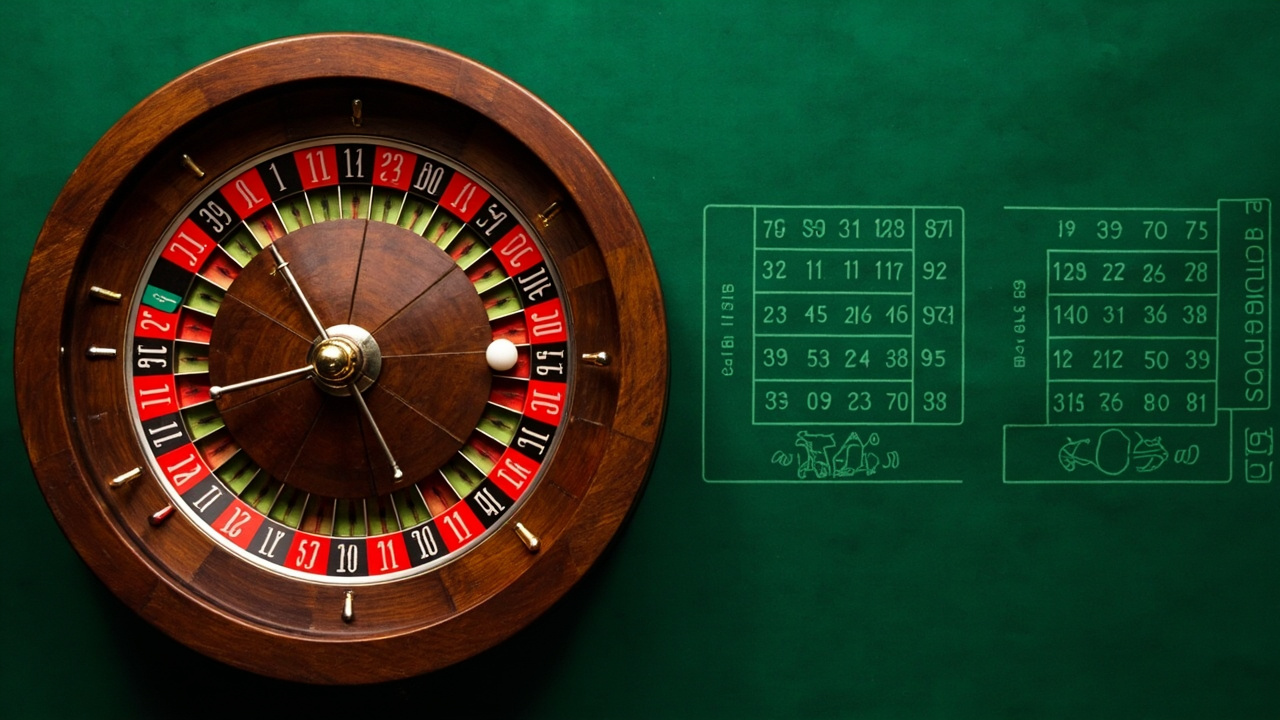
For beginners, the wheel layout explained in practical steps is the fastest way to stop guessing and start reading the table. Follow this sequence before you put money on the felt:
- Identify the wheel variant first by looking for a single zero or a double zero, because that tells you which payouts and house edge apply.
- Read the outside bet row across the top or side of the grid, since red, black, odd, even and the dozens cover broad sections of the wheel.
- Note the inside bet squares for individual numbers and small clusters, and remember that higher payouts come with lower hit frequency.
- Check the table limit panel so you know the minimum and maximum stake before the dealer calls no more bets.
- Decide whether you want a broad outside bet or a narrow inside bet, and keep your stake size aligned with that choice rather than chasing a payout that does not match the odds.
That sequence keeps you oriented to the wheel layout explained in the order a player actually encounters it, from variant to limits to bet type. It is the same kind of onboarding logic I have pushed in operator builds: surface the decision points in the order people need them, and the rest of the session feels less noisy.
What operators and players should weigh next
The wheel layout explained is only one part of how a table game lands for a player, because the surrounding setup decides whether the experience feels clear or fiddly. Registration should be straightforward, payments should show the currency and any limits up front, and support should be reachable without digging through a maze of pages. I have sat in on enough commercial launches to know that a polished game catalog means little if the payment flow or account steps create friction at the worst possible moment. A table game can be well built and still lose credibility if the surrounding product feels sloppy.
Mobile play has become the default for a lot of sessions, and the wheel layout explained should carry over cleanly to a smaller screen without cramping the betting grid or hiding the variant label. A responsive table view keeps the outside bets readable and the number squares tap-friendly, which matters more than flashy animations when you are making quick decisions. Loyalty programmes and bonus mechanics can add value, but they should be written in plain terms so you know what counts toward playthrough and what does not. I would rather see a simple, honest bonus structure than a complicated one that sounds generous until you read the conditions.
Lucas Lewis, Head of Public Relations, Yarra Gaming Lab, has pointed out that players respond best when the rules and limits are visible before the first spin, not buried in a terms page. That is a fair caveat, and it lines up with what I have seen in operator builds: clarity at the point of entry does more for trust than a long list of features that only matter later. If a room makes the wheel variant, table limits and stake range obvious, it removes the kind of friction that turns a casual session into a frustrating one.
A short verdict on player fit
The wheel layout explained comes down to this: the sequence on the wheel and the grid on the felt are two different maps of the same game, and knowing which one you are reading changes how you stake. A European single zero table is the cleaner starting point for most players, while an American double zero wheel is the version to approach with a clear sense of the higher edge. If you are after a lobby that keeps table games easy to find and the variant obvious before you place a chip, lucky elf casino 1 in updated edition is worth a look for how it surfaces those details. For a Brisbane session or a quiet arvo at home, the best fit is a room that tells you the rules plainly, keeps the betting grid readable, and does not make you hunt for the basics.
