

Why luck matters: The role of chance in gambling success
Understanding the Concept of Luck in Gambling
Luck is often regarded as a pivotal element in gambling, functioning as the unseen force that shapes a player’s experience and outcomes. Unlike skill-based games that require strategy and expertise, gambling is inherently unpredictable. Each time a player rolls dice, spins a slot machine, or draws a card, they are engaging with an element of chance that can lead to surprising results, and many players enjoy exploring options like casino online nz for that thrill. This unpredictability is what attracts many individuals to gambling, as it introduces the exhilarating potential for significant wins against formidable odds.
The perception of luck can vary widely among gamblers. Some view it as a mystical force, relying on superstitions, rituals, or specific behaviors to enhance their chances of success. Others see it as a natural occurrence that can’t be influenced. These differing beliefs can significantly impact a player’s mindset and decision-making processes. For example, players who believe strongly in luck may take more risks, motivated by the hope that fortune will favor them at a critical moment, thus illustrating how luck can directly affect gambling behavior.
Ultimately, luck acts as a double-edged sword in the realm of gambling. On one side, it can lead to extraordinary success stories where players beat the odds and walk away with life-altering winnings. On the other side, an over-reliance on luck can result in substantial losses, as players may gamble beyond their means in search of that elusive streak of good fortune. Recognizing the dual nature of luck is essential for anyone involved in gambling, as it plays a crucial role in shaping both the gambling experience and its outcomes.
The Psychology Behind Luck and Gambling
The psychological dynamics between luck and gambling are intriguing, affecting how players assess risk and make choices. Cognitive biases, such as the gambler’s fallacy, can distort a player’s understanding of luck. For instance, many gamblers mistakenly believe that past results can influence future outcomes. This leads them to cling to their “lucky numbers” or continue betting after a string of losses, convinced that their luck must eventually change. Such mindsets can result in irrational behavior, prompting players to wager larger amounts in pursuit of that next big win, regardless of the odds.
Moreover, luck fosters a sense of community among gamblers. Players often share stories of their thrilling victories or heartbreaking near-misses, creating a shared narrative that enhances the mystique of luck in gambling environments. These stories serve to reinforce the belief in luck, inspiring both newcomers and veterans to engage in the excitement of gambling while often neglecting the importance of responsible gaming practices. This communal storytelling not only validates individual experiences but also perpetuates a culture of risk-taking, where players feel justified in their motivations to gamble.
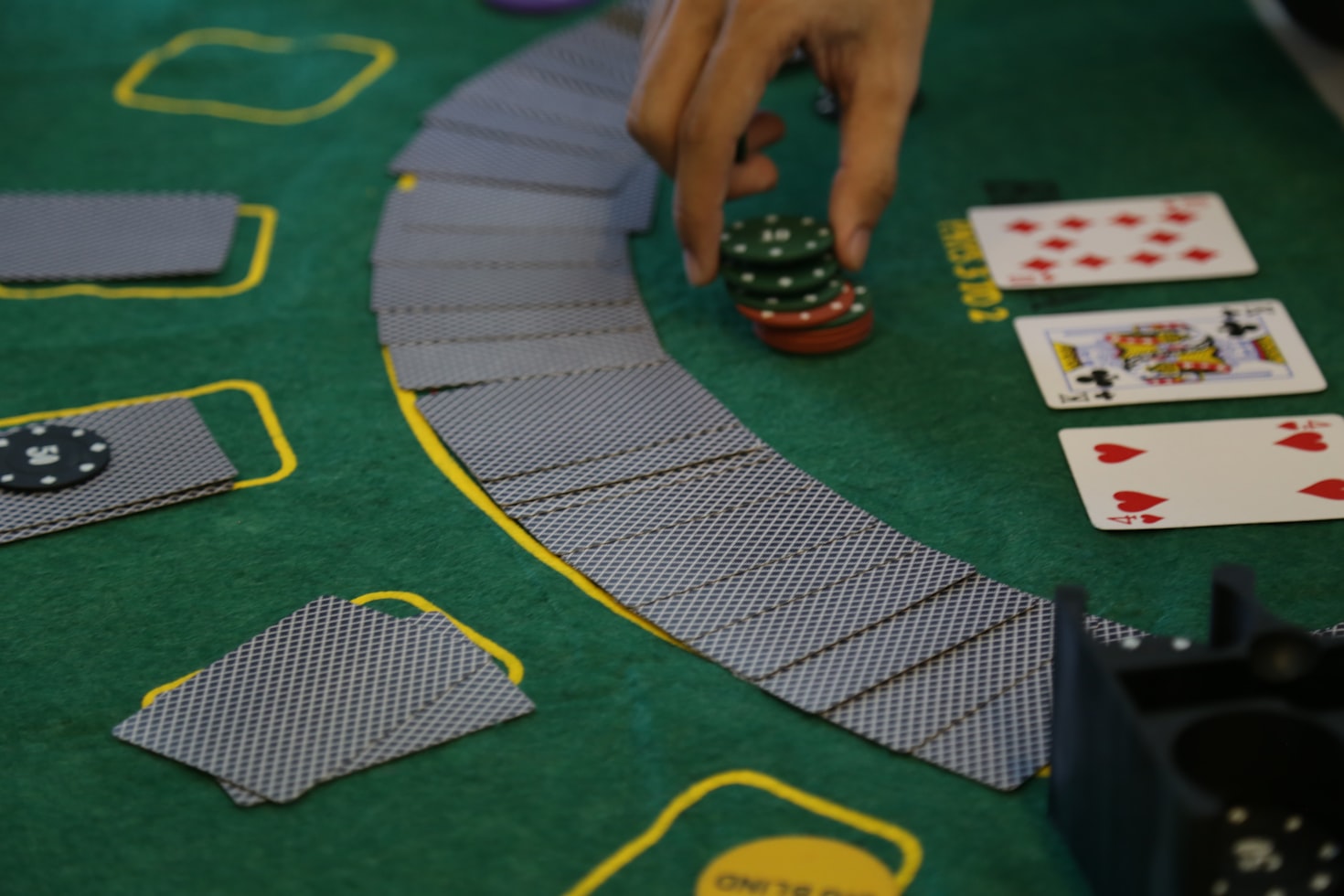
Additionally, the emotional highs and lows associated with luck can significantly impact gambling behavior. Winning can produce euphoric feelings, while losses can lead to frustration and despair. This emotional rollercoaster can create a cycle of compulsive gambling, as players strive to recoup their losses, driven by the hope that their luck will eventually change. Understanding these psychological effects is vital for players, as they can greatly influence gambling strategies and overall well-being. Recognizing the emotional weight of luck can help individuals approach their gambling with greater awareness and care.
Luck Versus Skill in Gambling Strategies
The ongoing debate regarding the balance between luck and skill in gambling is a captivating topic. While luck often dominates games of chance like slot machines and roulette, skill plays a more significant role in others, such as poker and blackjack. Skilled players can apply strategies to mitigate risks and maximize potential returns. For example, a proficient poker player leverages their understanding of probability and human psychology to outmaneuver opponents, illustrating that skill can indeed influence the outcomes of gambling scenarios.
However, even in games where skill prevails, elements of luck cannot be entirely eliminated. A seasoned poker player may still find themselves at the mercy of the cards they are dealt, illustrating that every gambling experience is a blend of both luck and skill. Successful gamblers often embrace this duality, developing strategies that account for the role of chance while simultaneously honing their skills. This balanced approach allows players to navigate the unpredictable nature of gambling with a greater sense of control.
Moreover, many successful gamblers understand the importance of effective bankroll management and setting limits, which are crucial for countering the unpredictable aspects of luck. They recognize that regardless of whether they are enjoying a winning streak or facing losses, maintaining discipline and control is essential for sustainable gambling practices. The relationship between luck and skill emphasizes the need for players to cultivate both an awareness of inherent risks and strategies that may help them effectively navigate the gambling landscape.
The Role of Chance in Game Design and Player Engagement
The element of chance is intricately designed into gambling games to enhance player engagement and excitement. Game developers recognize that mechanisms of random outcomes can keep players on the edge of their seats, eagerly anticipating each roll of the dice or spin of the wheel. This randomness is a core component of the appeal of gambling, as it generates an environment filled with suspense and thrill. For many players, the unpredictability is a significant factor that entices them to return, seeking that exhilarating moment of surprise.
Furthermore, how chance is integrated into game design carries psychological implications. Games that offer frequent small wins can instill a sense of success, encouraging players to continue playing, while rarer but larger wins create excitement and anticipation. This thoughtful combination of chance and game mechanics is crucial for maintaining player interest and satisfaction. By crafting games that balance the thrill of chance with rewarding experiences, developers can enhance the overall engagement of players in the gambling environment.
However, the gambling industry must also prioritize responsible gaming practices in this context. While chance serves as an engaging feature, it can also lead to challenges such as problem gambling. As a result, developers and regulatory bodies are increasingly focusing on player education and the incorporation of responsible gaming features to mitigate the risks associated with an excessive reliance on luck. By promoting this balance, the gambling industry can encourage a healthier relationship between chance, player engagement, and overall enjoyment.
Conclusion and Final Thoughts on Luck in Gambling
In conclusion, luck undeniably plays an integral role in gambling, acting as a dynamic and multifaceted element that interacts with skill and strategy. The perception of luck shapes players’ behaviors and experiences, influencing everything from their approach to games to the emotional responses they encounter throughout their gambling journeys. Acknowledging and understanding this interplay is essential for anyone looking to engage in gambling responsibly, as it can greatly affect their overall experience.
As the gambling landscape continues to evolve in response to technological advancements and new game designs, the role of luck will remain a fundamental aspect. Recognizing that every gambling experience hinges on a mixture of chance can empower players to make informed choices and foster a healthier relationship with their gambling activities. Navigating this intricate environment requires players to approach their experiences with both excitement and caution, ensuring that luck is just one part of a comprehensive and well-informed strategy.
For those keen to delve deeper into the complexities of luck and gambling, our website offers a plethora of resources and insights. With articles dedicated to exploring gambling mechanics, responsible gaming principles, and the psychology behind luck, we aim to educate and enrich the gambling experience for players at every level. Whether you are new to gambling or a seasoned participant, you will find valuable information that enhances your journey through this thrilling and unpredictable world.
